Roadmaps & Planning
Roadmaps are defined for each Pillar and approach the areas of residential, business, city/government, and farmland separately.
Included here are plans for Outreach/Marketing and Financial Impact
(Scroll to the bottom for roadmaps and plans)
The roadmap contains separate plans that focus on marketing, financial impact, each pillar, then finish with an education plan
Before we break it down into many areas, there are some things to do to get things kicked off and create traction .
Start with one plot
Take a baren plot of land and transform it according to the pillars.
Use the Living Lab to do tests, experiments, and documentation to show how this is having an impact
Use this as a living classroom
Achieve 501c3 Tax exempt status
Get board of directors in place
Get bylaws in place
Define roadmaps
Get donors for the large projects and advocacy
Develop social media presence
Build website - communicate vision and action plan
Create pages on each targeted social media platform
Regularly update them as progress occurs
Create an education program
Publish useful articles and blogs online for people to access, learn, and be inspired
Host in person presentations and training
Map areas of Omaha - Spatial Analysis
Areas already biodiverse
pockets of like minded project properties
streets with street trees
Urban Rewild Member properties that are transforming or complete
Potential Government land that can be transformed
Rivers, creeks, water ways, NRD land, Right of Ways, road easements, and more.
Determine priority neighborhoods and other locations that would have the biggest impact.
Define what focus those areas would benefit from
Do cost and labor estimates
Meet land owners, and if convinced, execute
Material Purchase Planning
Determine Vendors and look for discounts
Reach out to local tree nurseries that may be interested in supplying trees and plants at a discounted rate, or donating.
Likely to partner with Urban Roots near Gretna Crossing.
Mulhall’s, Lanoha, Arbor Day Farms.
Determine what projects Urban Rewild Project will pursue at the beginning
Assisting homeowners in planning and education so they can get started. Grow a network of example properties.
Street trees for neighborhoods, and how we will pick the neighborhoods that get them
Determine if we will do neighborhoods for free or mostly do planning and major discounts
Projects for low income communities
Branch out to local regenerative or sustainable farms
Business projects to begin the journey down that path
Once established and considered viable, pursue City and NRD projects
When feasible consider branching out to other cities, starting with surrounding small towns
Get established locally. Community first approach
When receiving donations, may need an option to fund community projects or neighboring towns
Focused on local community unless supporters want their funds to expand
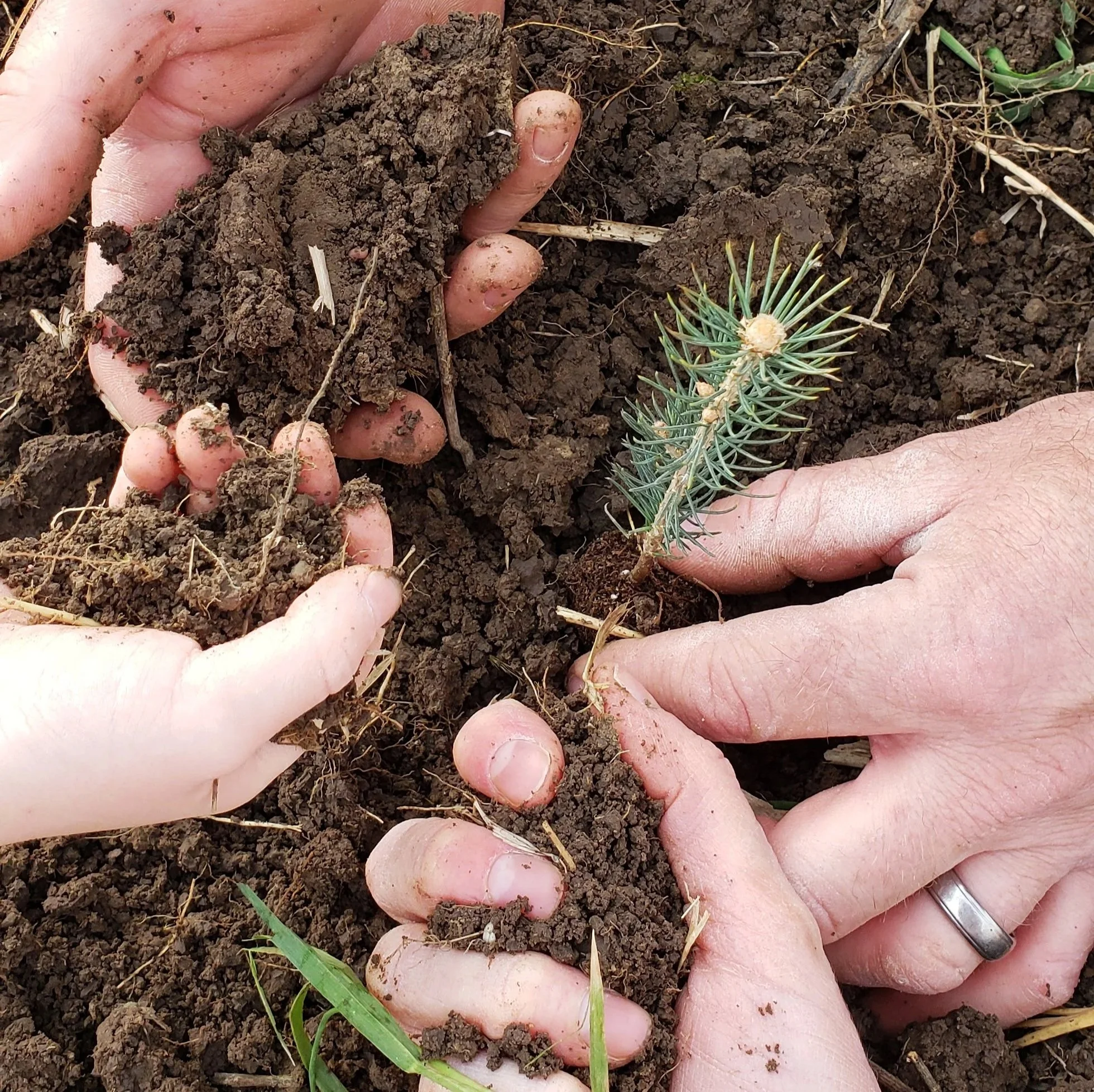
Root & Soil Restoration
- The Foundation -
Healing the urban ground
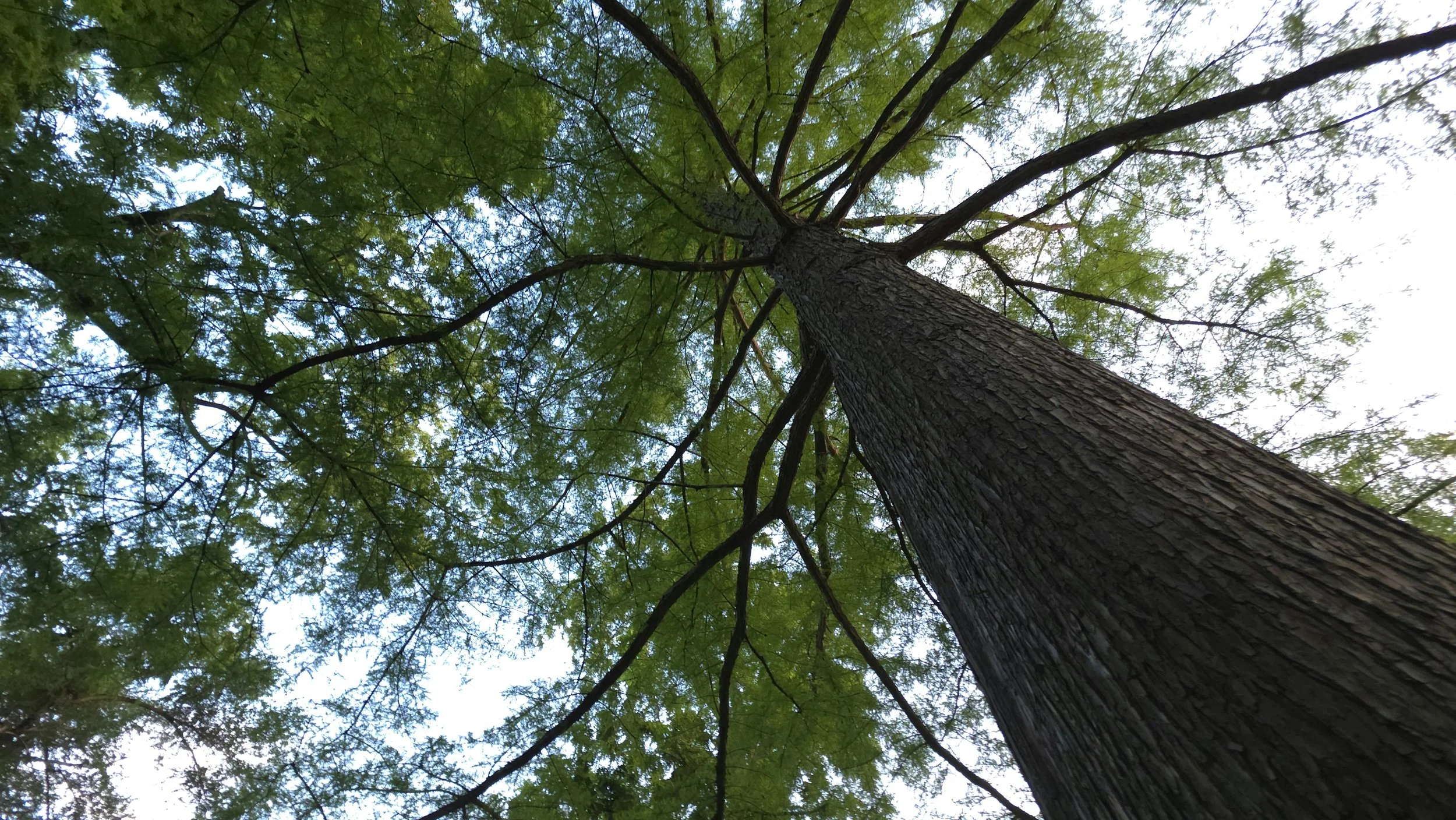
Canopy & Habitat Expansion
- Ecological Health -
Native Trees, Shrubs, & Dense Foliage
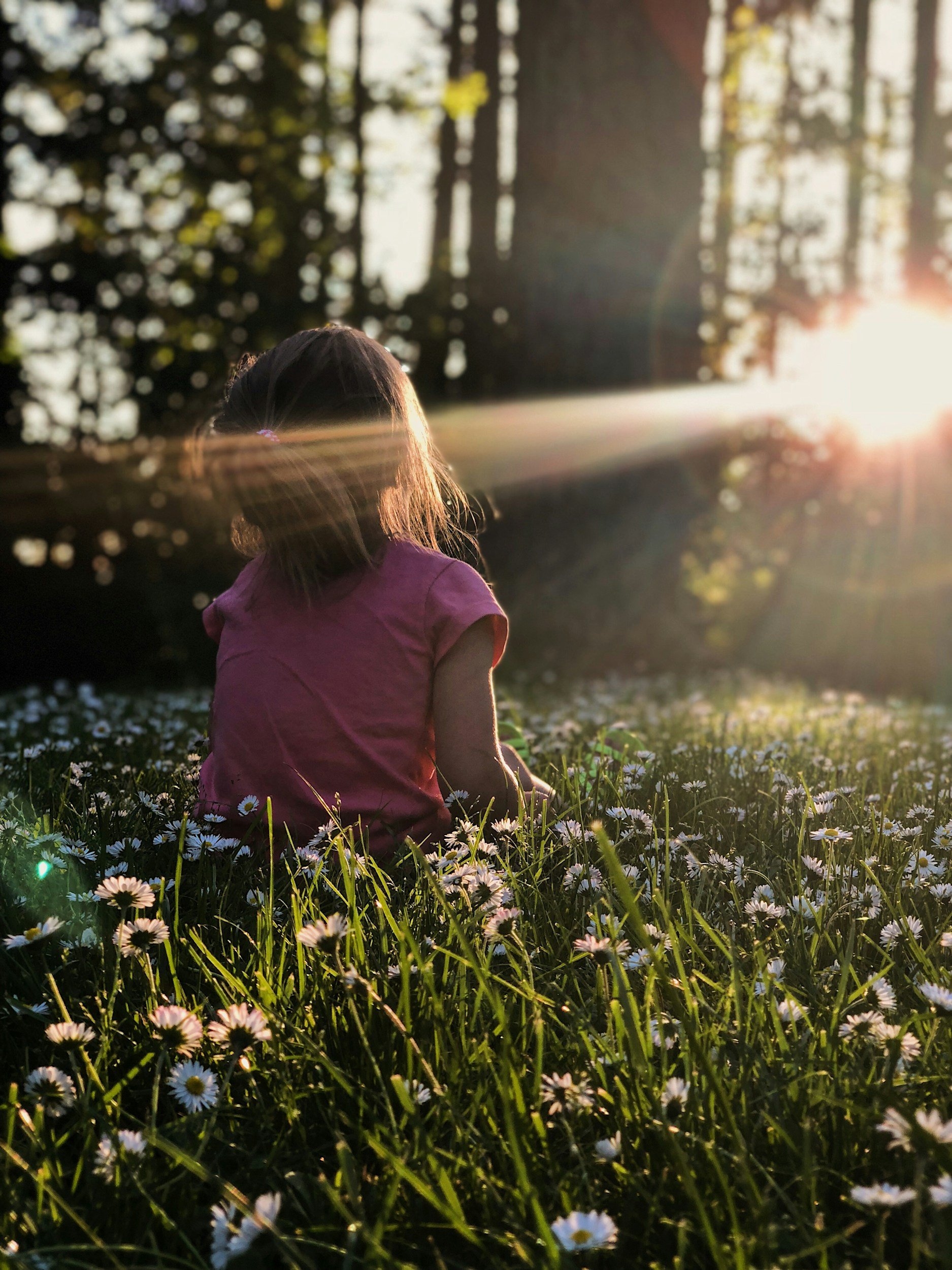
Restorative Human Environments
- Psychological Effect -
Nature as a necessity, mental & physical grounding
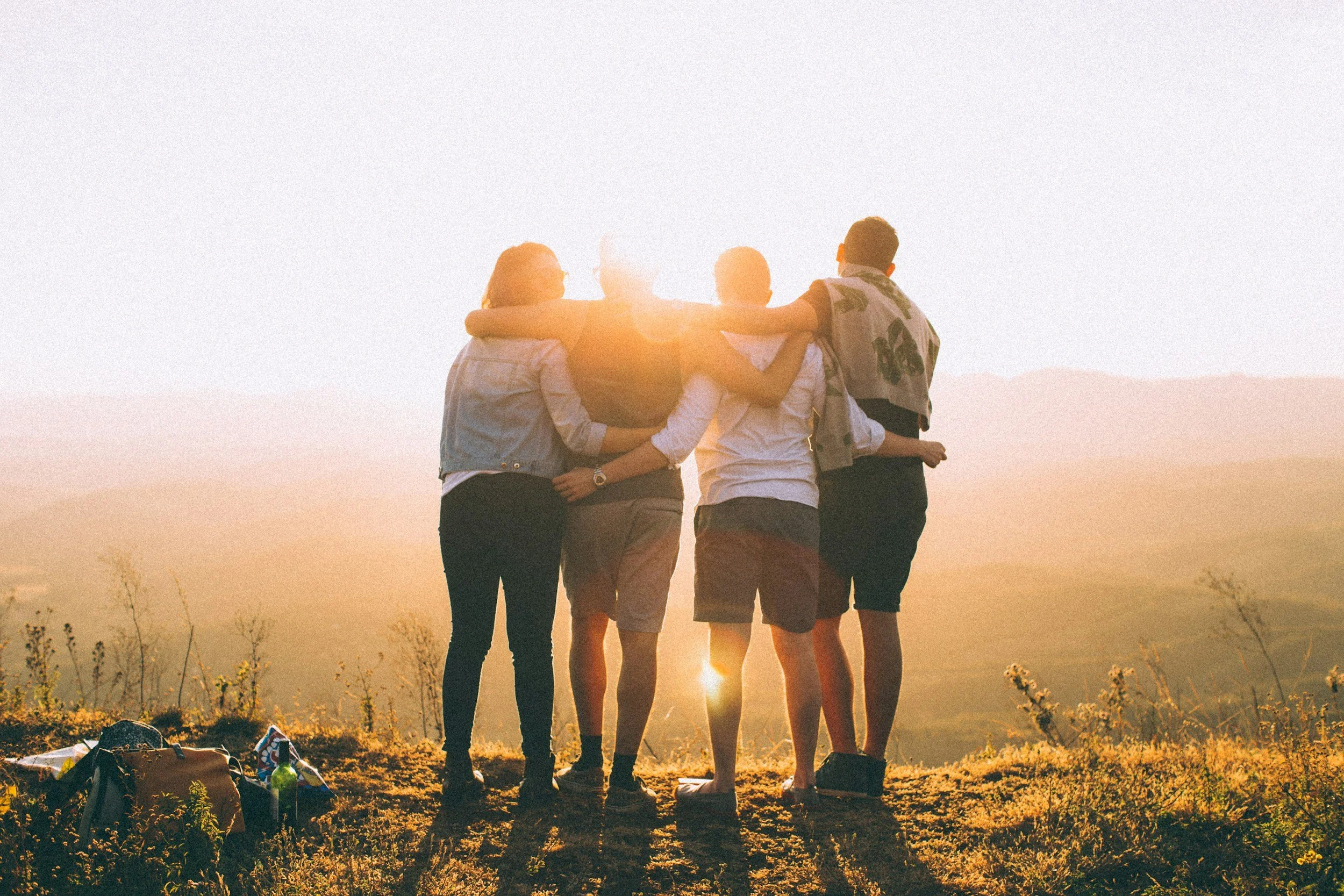

Community Co-Creation
- The Social Connection -
A shared stewardship of the land
Educational Advocacy
- The Mindset Shift -
Moving towards living landscapes
Planning

Outreach & Marketing
Attention all People!

Financial Impact
Effective use of Funds