Strategy
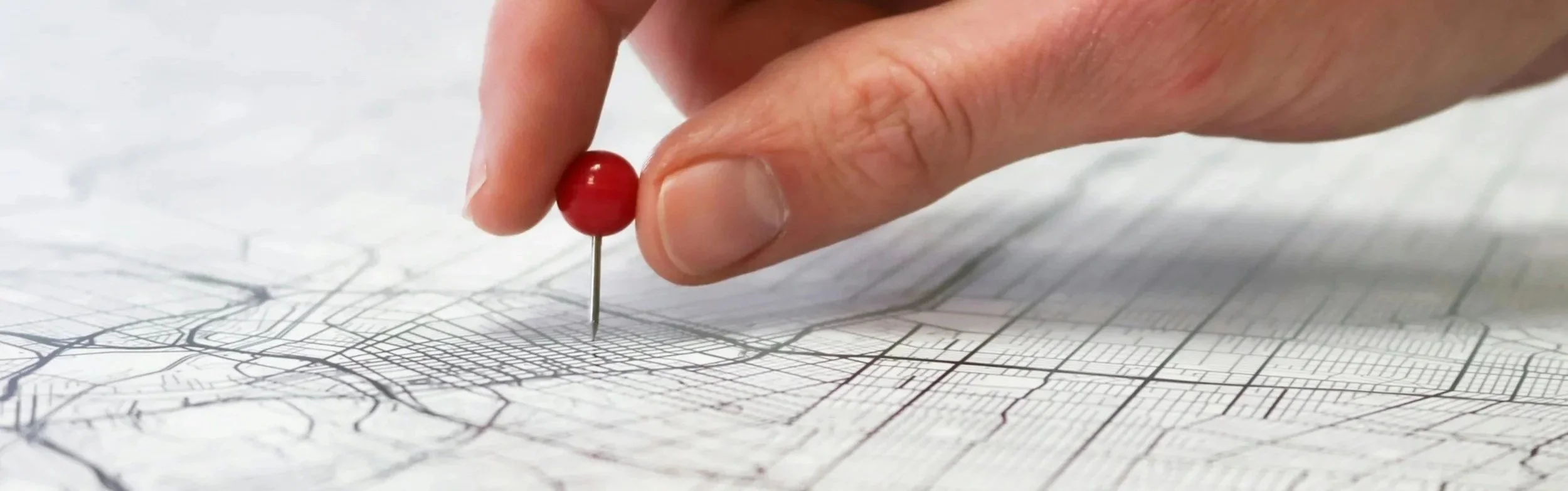
At The Urban Rewild Project, we spatially analyze the city we are focused on to understand what land to prioritize to have the biggest impact.
We first map out all areas that are already naturally growing and biodiverse.
If there are areas completely void of biodiversity, we’ll find partners in those areas so examples of transformation are close by to experience. Neighborhood street trees are a good start, as well as business locations with good visibility. When picking neighborhoods for street trees, we go after ones with at least a few homeowners that will commit to eliminating synthetic fertilizers, use organic or natural products, and transform at least the equivalent of a 10×10 area of their yard.
We look for connections to build a network of biodiverse land as much as possible. Rivers, creeks, waterways, right of ways, NRD properties, city parks, and trail systems are all good areas to connect areas of the city together.
We implement our pillars in four separate focus areas:
Residential
Business & Corporate Campuses
City & Government Lands
Surrounding Farmland & Agricultural Lands
Residential
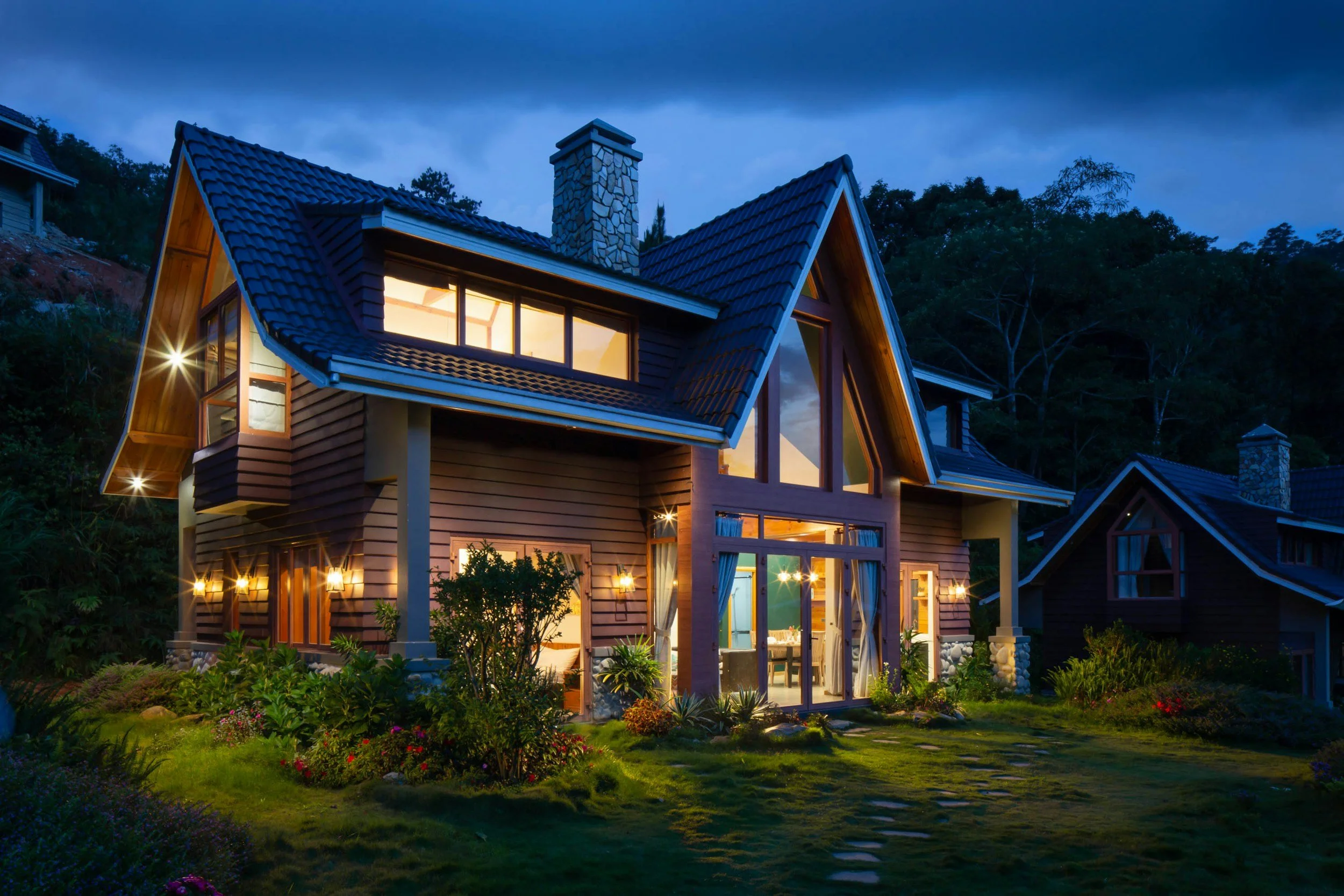
Suburban single-family homes, multi-family housing complexes, and urban residential lots present the largest immediate opportunity for grass-roots adoption and neighborhood-scale biological corridors.
Residential is the most important focus. It’s where we change mindsets. It’s where we connect with the people that will truly make a difference. We need a mindset change. Businesses and Farming won’t change if the consumers don’t change. Cities will change if there is public demand for it. It all comes back to each individual. Each time one person engages, they influence people around them.
We will be developing easy to follow project ideas and tasks lists for people with varying resources. We’ll have plans for people that have anywhere between $0 and $50,000 in their transformation budget. The plans will focus around our pillars.
“You will be the same person in five years as you are today except for the people you meet and the books you read.”
Business & Corporate Campuses
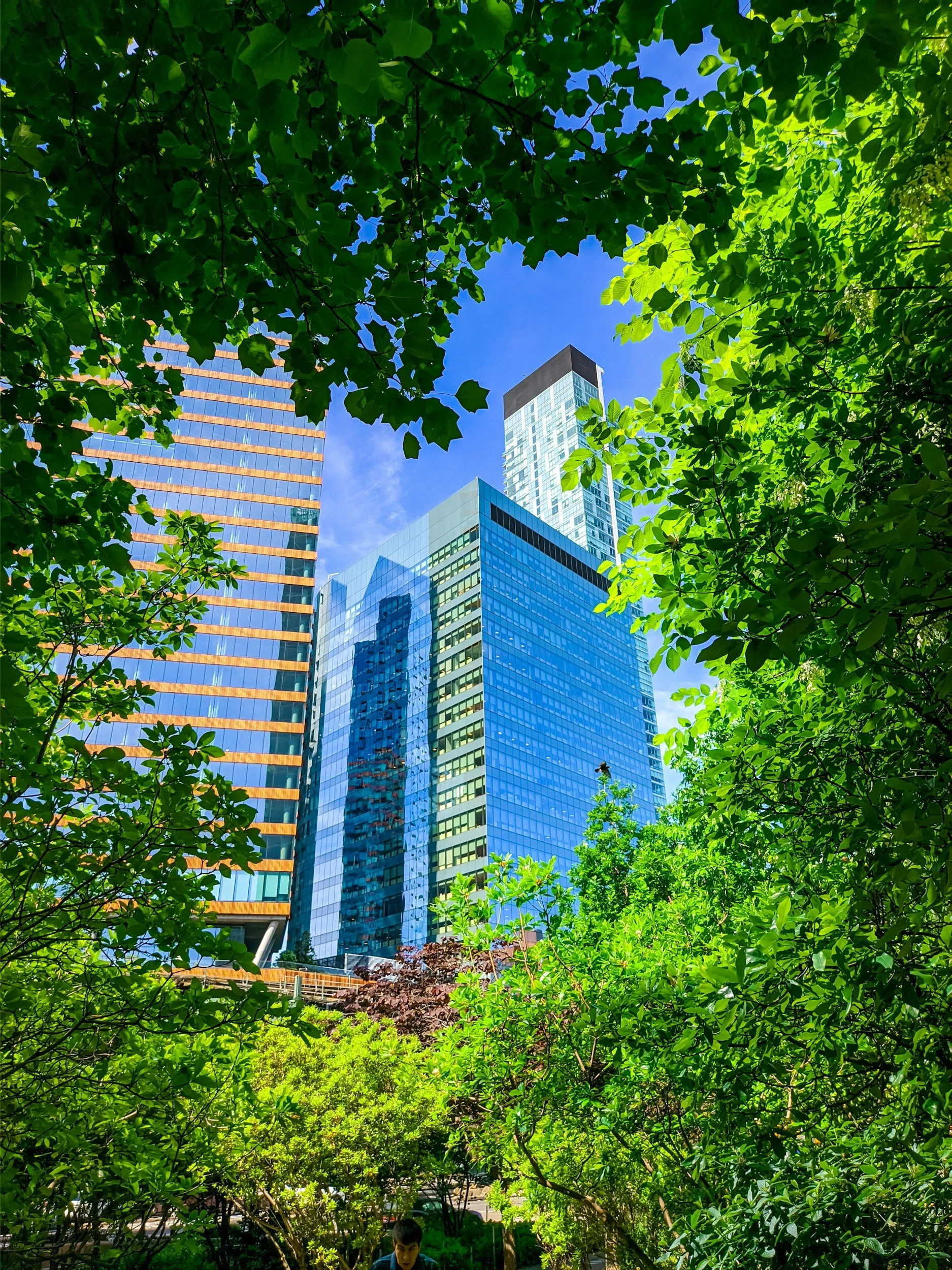
Businesses want to find ways to support their community. They want to be involved. Education will play a big part of this. We will show businesses how increasing biodiversity on their land will benefit them. For example, by reducing areas of lawn, they will save money on mowing and watering. They will be able to show their support to the community and save money at the same time.
One of the roadblocks to this is the financial investment. They need to keep expenses low to keep prices reasonable. The Urban Rewild Project helps remove the financial roadblock by making biodiverse transformations affordable through community service projects employees can take part in. Many companies allow employees to charge a certain amount of time towards community service each year.
We will offer presentations on what the The Urban Rewild Project is all about, along with volunteer days the employees can take part in to transform their own place of work, or transform another location.
“We make a living by what we get, but we make a life by what we give”
City & Government Lands
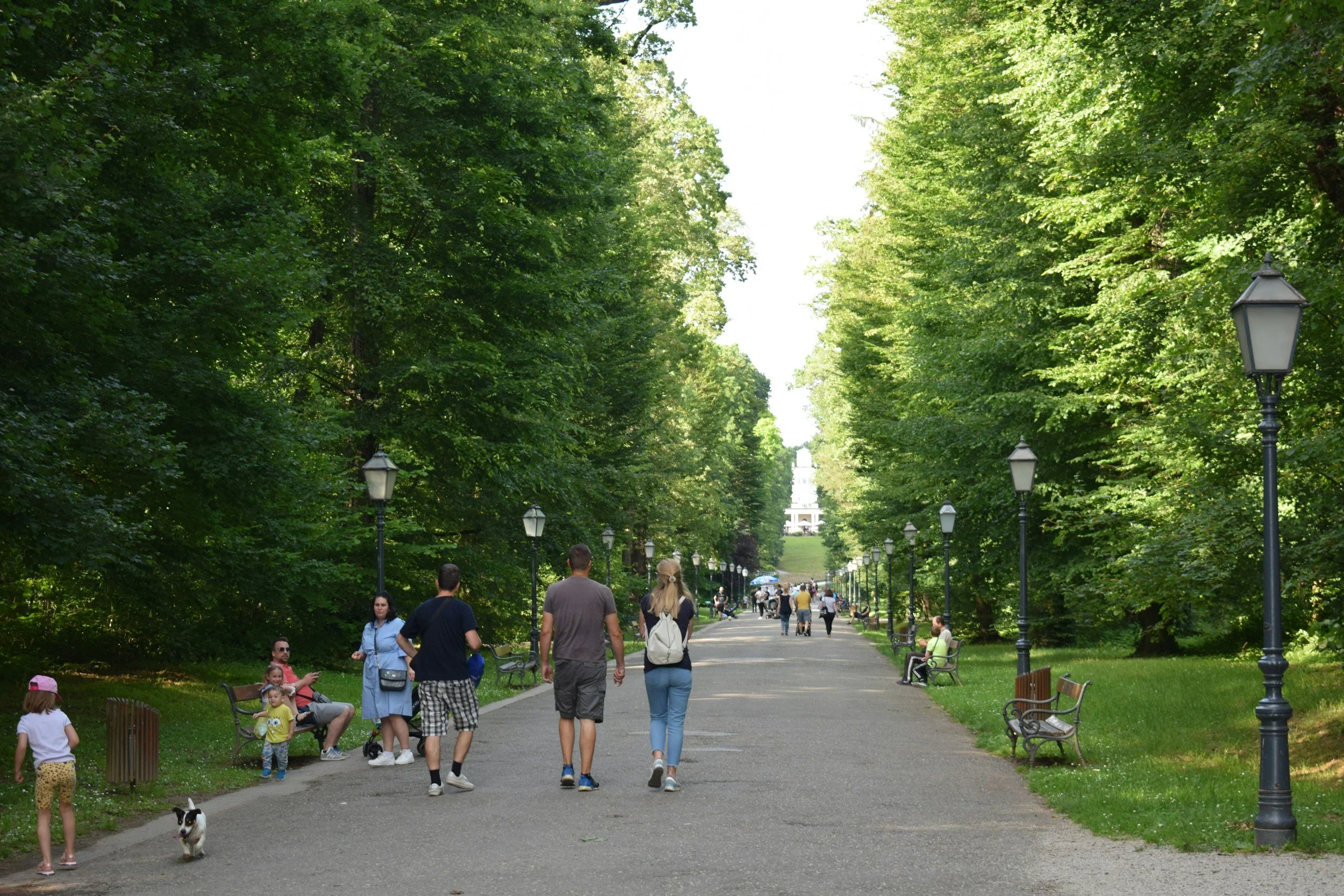
Government entities exist to serve it’s citizens. Cities also look for ways to attract people to live there. They want to retain people when they get out of college and they want to attract people from other parts of the country. This gives them the funds to serve their people in better ways. The Urban Rewild Project will work with the city to understand how street trees and rewilding of public areas will help accomplish this, as well as how it will impact the local environment.
This will not be a hard sell in Omaha, Nebraska which is the first area we are transforming. The Gene Leahy Mall already started out in this direction. The city planted many trees and foliage along the park. People are flocking to these areas. It is a testament to people’s desire to have natural spaces for recreation, exercise, and relaxing.
Shading hard surfaces throughout the city will be a goal. This can be implemented along roadways but also in parking lots. We will encourage when parking lots require maintenance, islands of trees are added to reduce surface temperatures. How often do you see cars crowded around parking spots that are shaded during hot summer days? People would love a parking lot that kept their car cooler and also protected their paint from sun damage.
Surrounding Farmland & Agricultural Lands
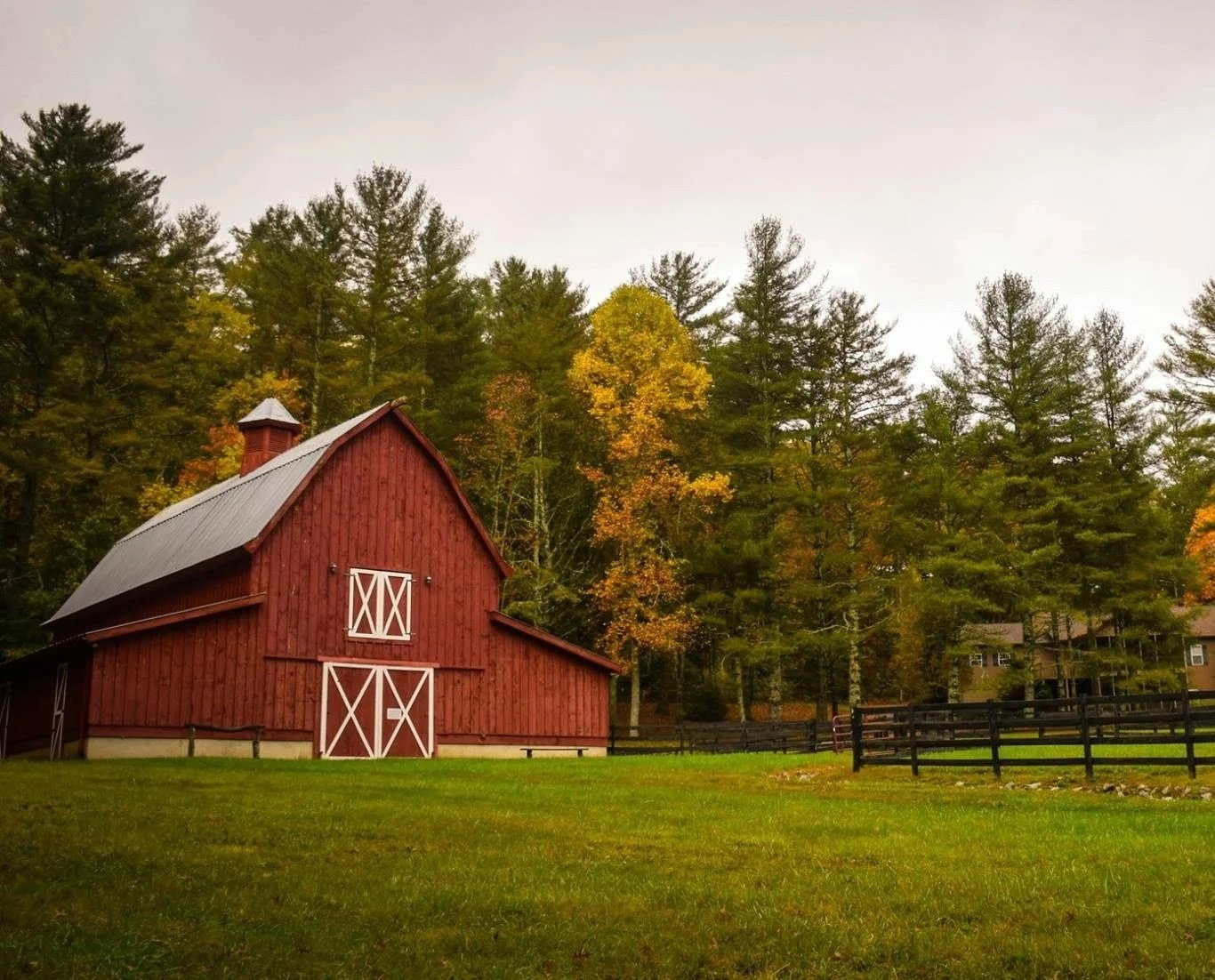
Most cities have many farmer’s markets through the growing season. These are a direct link to farmers within close proximity to the city. This is the perfect place for people to connect directly with farmers, learn what there farming practices are, and express appreciation for regenerative practices. And we can thank them by buying their produce and products. This doesn’t just drive the movement forward. It provides our families with higher quality and more flavorful food. It’s a win-win. If farmers at the markets see the trend rise, and here from consumers at the markets, they will be influenced to lean towards regenerative farming.
Within and around Omaha, a few farms have switched to either sustainable farming practices or regenerative practices. The Urban Rewild Project will be meeting with each of them to learn about their journey, partner with them, and encourage them to keep going. Then we’ll work to help their ideas to spread to neighboring farms.
“Farming is not just about growing food, it’s about growing a community”